
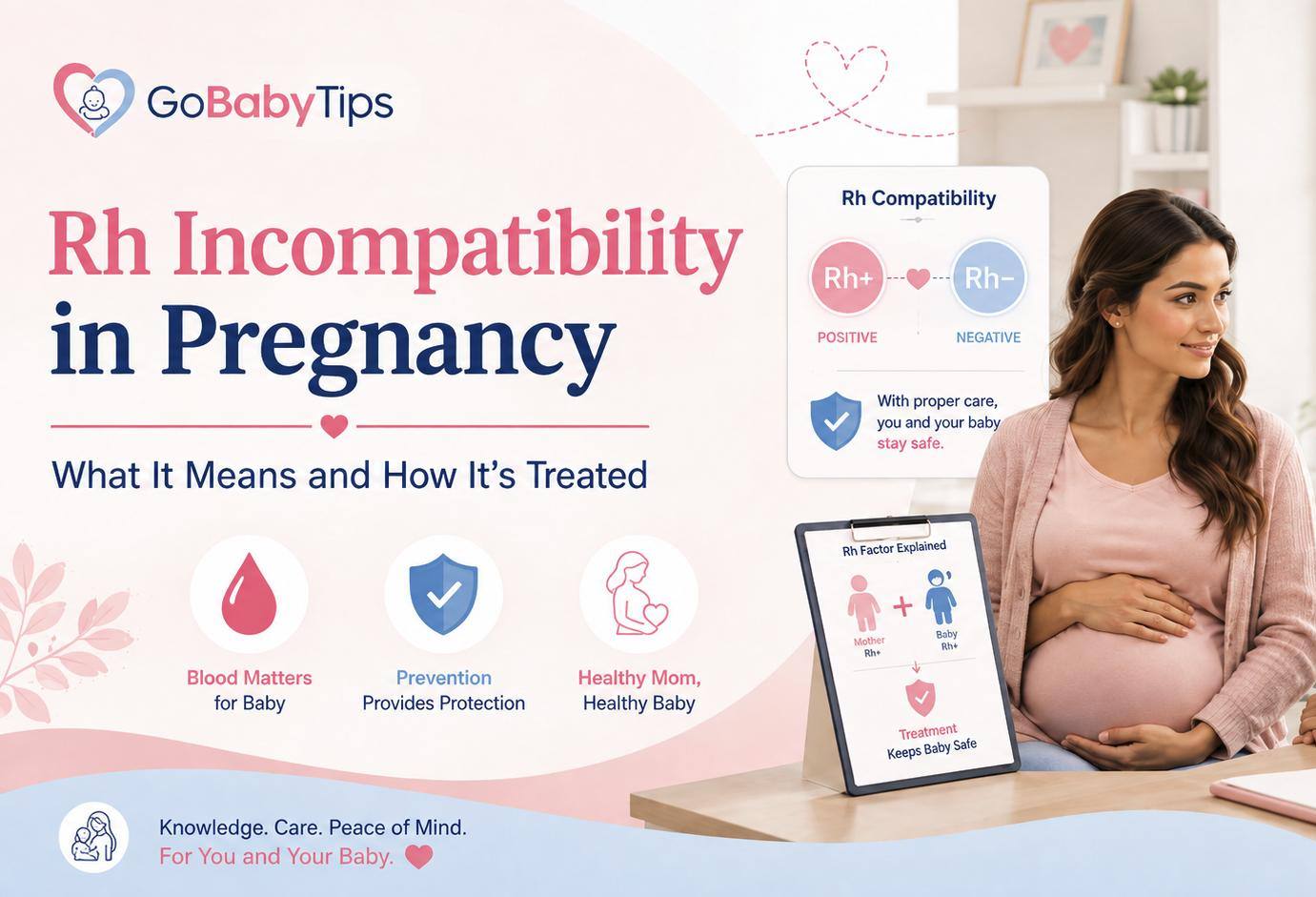
Rh Incompatibility in Pregnancy : What It Means and How It’s Treated
Rh incompatibility in pregnancy is a condition that occurs when an Rh-negative mother is carrying an Rh-positive baby. While this blood type difference usually doesn’t affect the mother’s health, it can lead to serious complications for the baby if left untreated. Fortunately, modern prenatal care has made Rh incompatibility in pregnancy highly manageable through early diagnosis and preventive treatment.
Understanding how this condition develops, its warning signs, available treatments, and preventive measures can help expectant parents enjoy a healthier pregnancy with greater confidence.
What Is Rh Incompatibility in Pregnancy?
The Rh factor is a protein found on the surface of red blood cells.
- Rh-positive: You have the Rh protein.
- Rh-negative: You do not have the Rh protein.
Rh incompatibility in pregnancy occurs when an Rh-negative mother carries an Rh-positive baby. If some of the baby’s blood enters the mother’s bloodstream, her immune system may recognize it as foreign and begin producing antibodies—a process known as Rh sensitization.
How Rh Incompatibility Happens
During a first pregnancy, Rh incompatibility in pregnancy rarely causes problems because the mother’s immune system usually has not yet developed antibodies. However, fetal blood can mix with the mother’s blood during:
- Childbirth
- Miscarriage
- Abortion
- Trauma
- Amniocentesis
- Chorionic villus sampling (CVS)
Once sensitization occurs, antibodies remain in the mother’s body and can affect future Rh-positive pregnancies by attacking the baby’s red blood cells.
In some cases—such as after miscarriage, abortion, amniocentesis, or any bleeding during pregnancy—additional doses of RhIg may be recommended as a precaution. If a woman has already become sensitized, her pregnancy will require closer monitoring. This may involve regular blood tests to measure antibody levels and ultrasounds to check the baby’s health. In rare cases, treatments like intrauterine blood transfusions or early delivery may be necessary to protect the baby.
The key to managing Rh incompatibility is early detection, consistent monitoring, and timely treatment. Thanks to modern prenatal care, most women with Rh-negative blood go on to have healthy pregnancies and babies without complications. If you have any concerns about your blood type or risk factors, don’t hesitate to talk with your healthcare provider—they can guide you through the steps to ensure a safe and healthy pregnancy.
Signs and Possible Complications
Most mothers experience no symptoms of Rh incompatibility, making routine prenatal testing essential. If left untreated, the baby may develop:
- Anemia
- Jaundice
- Hydrops fetalis
- Enlarged liver or spleen
- Kernicterus
- Heart failure
- Stillbirth in severe cases
Early diagnosis greatly reduces these risks.
Once a woman becomes sensitized, the risk increases in future pregnancies. If she carries another Rh-positive baby, her existing antibodies can cross the placenta and enter the baby’s bloodstream. These antibodies then begin to attack and destroy the baby’s red blood cells, which are crucial for carrying
oxygen throughout the body. This destruction can lead to a serious condition called hemolytic disease of the newborn (HDN), also known as erythroblastosis fetalis.
HDN can range from mild to severe. In mild cases, the baby may be born with jaundice (yellowing of the skin and eyes) due to the breakdown of red blood cells. More serious cases can lead to anemia, enlarged organs, fluid buildup (hydrops fetalis), heart failure, or even stillbirth if not properly treated.
Fortunately, with modern medical care, Rh incompatibility and HDN can be closely monitored and managed.
Signs and Complications
Rh incompatibility typically does not cause any noticeable symptoms in the mother, which is why it can go undetected without proper prenatal screening. However, if left untreated, it can lead to serious health complications for the baby, especially in future pregnancies where the mother has become sensitized to Rh-positive blood. When the mother’s immune system produces antibodies against the baby’s red blood cells, these antibodies can cross the placenta and begin attacking the baby’s bloodstream. This can result in a condition known as hemolytic disease of the fetus and newborn (HDFN), which can have a range of dangerous effects, including:
- Anemia: A shortage of red blood cells, which reduces the amount of oxygen being delivered to the baby’s organs and tissues. Severe anemia can put a strain on the baby’s heart and lead to heart failure.
- Jaundice: A yellowing of the baby’s skin and eyes caused by the buildup of bilirubin—a substance released when red blood cells are broken down. High levels of bilirubin can lead to further complications if not managed quickly.
- Hydrops fetalis: A life-threatening condition in which severe anemia causes fluid to build up in the baby’s organs and tissues, leading to swelling and heart failure.
- Enlarged liver or spleen: As the baby’s body tries to produce more red blood cells to replace the ones being destroyed, the liver and spleen can become overworked and enlarged.
- Kernicterus: A rare but serious form of brain damage caused by extremely high levels of bilirubin. This can lead to permanent neurological problems, including hearing loss, developmental delays, or cerebral palsy.
- Stillbirth: In the most severe cases, the baby may not survive the pregnancy if the condition is not identified and treated in time.
The good news is that Rh incompatibility can almost always be prevented with routine blood testing and the timely administration of Rh immunoglobulin (RhIg). With early diagnosis, close monitoring, and proper care, the risks to the baby can be significantly reduced, and most pregnancies affected by Rh
incompatibility result in healthy outcomes.
Diagnosing Rh Incompatibility in Pregnancy
Routine prenatal care includes blood tests during your first prenatal visit to determine your blood type and Rh factor. If you’re Rh-negative, your healthcare provider may recommend:
Antibody Screening
This blood test checks whether you’ve already become sensitized.
Paternal Blood Typing
Testing the father’s Rh status helps determine whether the baby could inherit Rh-positive blood.
Fetal Monitoring
If sensitization has occurred, doctors may perform:
- Doppler ultrasound
- Regular ultrasounds
- Blood tests
- Additional fetal assessments
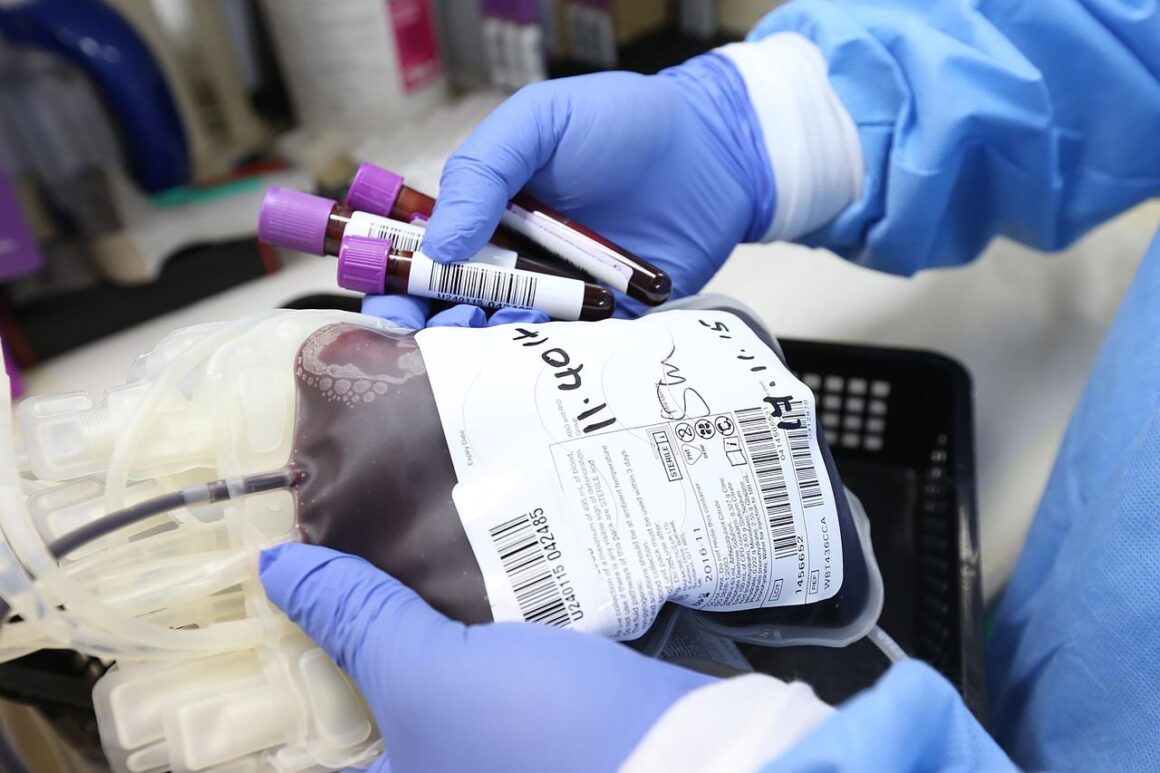
In some cases, especially when there’s concern about possible sensitization, paternal blood typing may be recommended—if the father’s Rh status is known and he is Rh-negative, there’s no risk of Rh incompatibility. However, if the father is Rh-positive or his status is unknown, the baby could inherit the Rh-positive factor, increasing the risk.
If a woman is already sensitized, or if there are signs of potential complications, closer fetal monitoring will be required throughout the pregnancy. This may include frequent ultrasounds to assess fetal growth and look for signs of anemia or hydrops fetalis. In more advanced cases, amniotic fluid analysis or Doppler ultrasound may be used to measure bilirubin levels and blood flow in the baby’s brain, helping doctors determine the severity of the condition and decide whether any intervention, such as early delivery or intrauterine transfusion, is needed.
This proactive approach through routine testing and monitoring helps ensure that Rh incompatibility is caught early and managed effectively, protecting the health and well-being of both mother and baby.
Treatment And Prevention

Preventing Rh incompatibility in pregnancy is one of the greatest successes of modern prenatal medicine.
The key to preventing complications from Rh incompatibility lies in early intervention and prophylactic treatment with Rh immunoglobulin (RhIg), also known as Rho(D) immune globulin. This medication works by preventing the mother’s immune system from developing antibodies against Rh-positive blood cells. It is most effective before sensitization occurs.
For this reason, if a pregnant woman is Rh-negative and has not yet been sensitized, she will typically receive an RhIg injection around the 28th week of pregnancy as a precautionary measure. This helps protect against any Rh-positive fetal blood cells that may enter her bloodstream during the later stages of pregnancy.
After delivery, if the newborn is found to be Rh-positive, the mother is given a second dose of RhIg within 72 hours. This postnatal dose is critical in preventing her immune system from becoming sensitized for future pregnancies. In addition to the standard prenatal and postnatal doses, extra RhIg injections may be required at other times during pregnancy if there is any event where fetal blood might mix with maternal blood.
These situations include vaginal bleeding, miscarriage, trauma, amniocentesis, or chorionic villus sampling (CVS)—procedures that can disrupt the placenta and allow fetal cells to enter the mother’s circulation. If a woman has already become sensitized, RhIg is no longer effective, and the focus of care shifts to monitoring and managing the pregnancy to protect the baby.
The healthcare team will conduct regular blood tests to measure the mother’s antibody levels and perform ultrasound scans to monitor the baby’s health, particularly for signs of anemia or hydrops fetalis. If the baby is found to be at risk or already affected, more advanced interventions may be necessary. In severe cases, intrauterine blood transfusions may be performed to treat the baby’s anemia while still in the womb.
Additionally, early delivery might be recommended if the baby is in danger and is far enough along in development to safely survive outside the womb.
Through timely RhIg administration and vigilant prenatal care, most cases of Rh incompatibility can be effectively prevented or managed, allowing for healthy outcomes for both mother and baby.
Can Rh Incompatibility Be Prevented?
Yes. Most cases of Rh incompatibility in pregnancy are preventable through:
- Early prenatal care
- Blood type testing
- Timely RhIg injections
- Regular prenatal appointments
Following your doctor’s recommendations dramatically reduces the risk of complications. Preventing sensitization in the first place remains the best approach.
Conclusion
Rh incompatibility may sound alarming, but with today’s medical advancements, it is a well-understood and highly manageable condition. The cornerstone of prevention lies in early detection, routine prenatal screening, and timely administration of Rh immunoglobulin (RhIg) to prevent sensitization. Even in cases where sensitization has already occurred, ongoing monitoring and specialized care can significantly reduce the risk of complications and ensure the health of both mother and baby.
If you’re pregnant or planning to become pregnant, knowing your Rh status and attending all prenatal appointments is essential. Open communication with your healthcare provider will help guide you through the necessary steps to protect your pregnancy. With proper care, most women with Rh-negative blood go on to have safe, healthy pregnancies and thriving babies.
Always remember: education, early action, and medical support are your best tools in navigating Rh incompatibility confidently and successfully.
Should you have an interest, check this medical review on the Rhesus Factor in Pregnancy on Kids Health via this link
Here’s a suggested list of related articles:
- First Trimester : https://gobabytips.com/your-guide-to-early-pregnancy-symptoms-what-to-look-for-in-the-first-trimester/
- Pregnancy Nutrition Guide : https://gobabytips.com/breastmilk-or-formula-understanding-the-best-choice-for-infant-nutrition/
For informational purposes only, not a substitute for professional medical advice.