

Understanding Baby Sleep Cycles: 7 Simple Ways to Build healthy sleep patterns
Baby sleep cycles are one of the most important yet confusing aspects of caring for a newborn. Unlike adults, babies have shorter sleep cycles and spend much of their early months moving between periods of active and quiet sleep. Understanding how these cycles work can help parents recognize normal sleep patterns, manage night wakings, and develop healthy sleep routines as their baby grows.
How Baby Sleep Cycles Work in Newborn
Newborn baby sleep cycles are very different from those of adul. Newborns do not follow a circadian rhythm and have not yet developed the internal biological clock that regulates sleep and wakefulness. As a result, their sleep is distributed fairly evenly across a 24-hour period, alternating between short bouts of sleep and wakefulness regardless of the time of day.
This pattern often feels chaotic to parents who are accustomed to sleeping at night and staying awake during the day. The lack of consolidated nighttime sleep can be one of the first major adjustments for new families.
Active Sleep (REM Sleep)
The sleep of a newborn is characterized by two main stages: active sleep and quiet sleep. Active sleep is similar to the rapid eye movement (REM) sleep seen in adults. During this stage, babies may twitch, make facial expressions, move their arms and legs, or even vocalize with small cries or grunts. It might look like they are not fully asleep, but in reality, they are in a vital phase of rest that is thought to be critical for brain development.
Quiet sleep, on the other hand, resembles non-REM sleep and is a period of deeper, more restful sleep where the baby is still, with regular breathing and few movements.
Unlike adults, who cycle through various stages of sleep roughly every 90 minutes, babies have much shorter sleep cycles. A newborn’s sleep cycle typically lasts around 50 to 60 minutes. These cycles include periods of light and deep sleep, but they transition between these stages more frequently.
This is why babies often stir, wake briefly, or require help to resettle between cycles. As they grow, the length and complexity of their sleep cycles begin to evolve, gradually resembling those of older children and adults.
In the first few months, babies spend a greater percentage of their sleep time in active sleep. This high amount of REM sleep is believed to support the rapid brain development that occurs in infancy.
Because babies enter REM sleep first, and because this stage is lighter and more easily disrupted, they tend to wake up more often than older children or adults. This can be frustrating for parents who feel like their baby is not sleeping deeply or long enough, but it is a normal and healthy part of development.
Quiet Sleep (Non-REM Sleep)
As babies reach around three to four months of age, a transition begins to occur in their sleep patterns. They start to develop a more defined circadian rhythm, influenced by external cues such as light, darkness, and social interactions.
This biological rhythm begins to guide when they feel sleepy and when they feel awake, slowly helping them differentiate between day and night.
Around this same time, sleep cycles become more structured, with longer periods of non-REM sleep that allows for deeper and more restorative rest. Although night wakings still happen, especially for feeding, many babies begin to sleep for longer stretches at night.
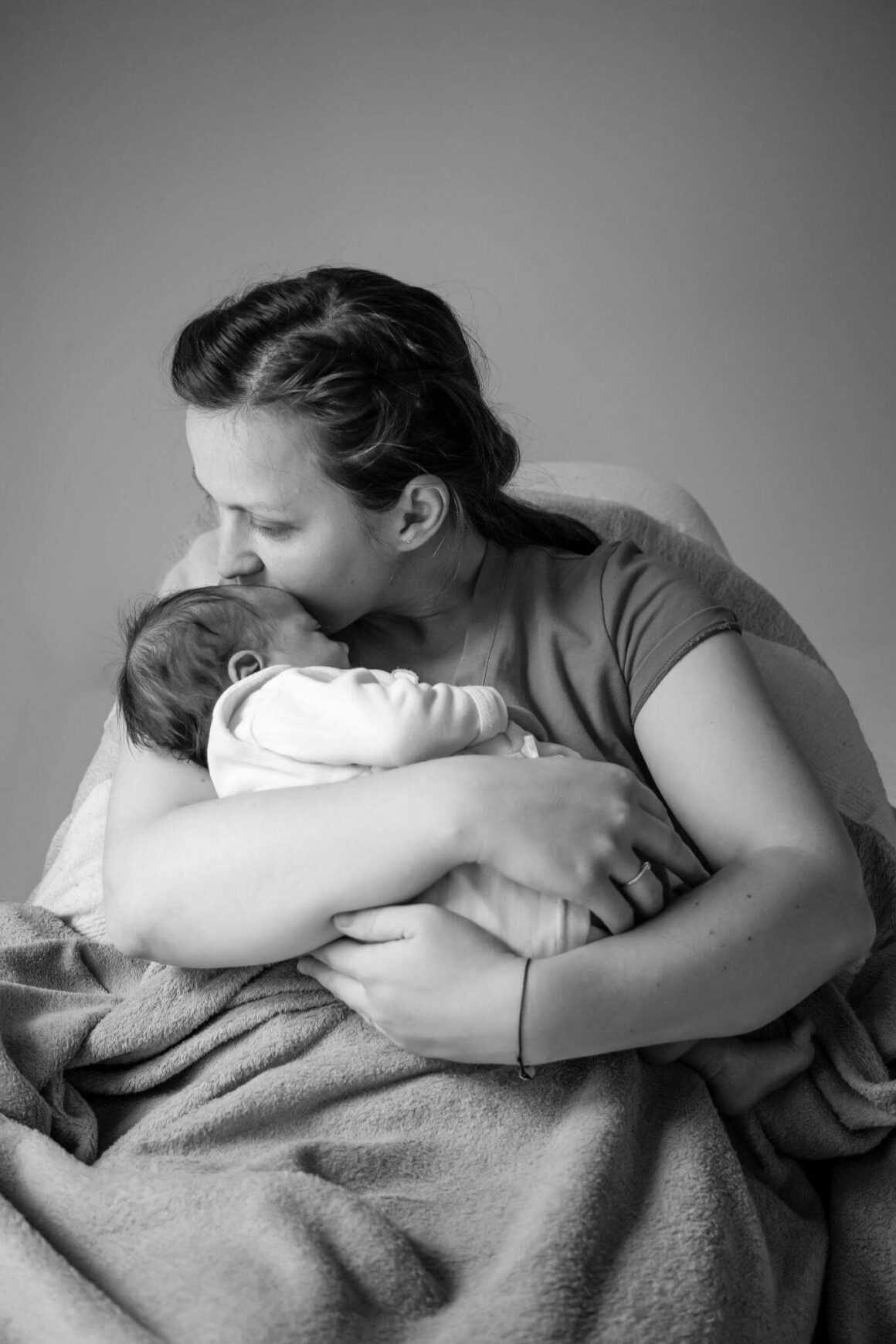
Parents often observe changes in their baby’s sleep habits during these transitions, sometimes referred to as sleep regressions. These periods can be marked by increased wakefulness, difficulty falling asleep, and shorter naps, often coinciding with major developmental milestones.
Although it might seem like progress is reversing, these regressions are actually signs that the baby’s brain and body are maturing. Sleep regressions can be challenging, but they are temporary and part of the natural process of developing more sophisticated sleep patterns.
Parents often observe changes in their baby’s sleep habits during developmental transitions, commonly known as sleep regressions. These periods typically include:
- Increased wakefulness – Babies who previously slept longer stretches may begin waking more frequently at night.
- Difficulty falling asleep – Settling down for naps or bedtime may become more challenging, even if the baby appears tired.
- Shorter naps – Daytime sleep may become more fragmented, with naps becoming brief or inconsistent.
Changes in baby sleep cycles can occur during periods of rapid developmental milestones, such as rolling over, crawling, or language acquisition. Although it might seem like sleep progress is reversing, these regressions are actually positive signs of neurological and physical development.
Sleep regressions can be frustrating and exhausting, but it’s important for parents to remember that they are temporary and a normal part of the process as babies begin to form more mature and structured sleep patterns.

Understanding how long baby sleep cycles last can explain why newborns wake frequently. The nature of sleep cycles also sheds light on why self-soothing is a gradual skill that babies develop over time. Since babies cycle through light sleep more frequently, they naturally wake up several times during the night. Some babies are able to settle themselves back to sleep with minimal fuss, while others require help from a caregiver.
Creating consistent sleep routines, such as calming bedtime rituals and a predictable sleep environment, can help babies learn to associate certain cues with sleep, making it easier for them to fall back asleep independently as they mature.
The influence of external factors on baby sleep cycles cannot be overstated. Light exposure, especially natural daylight during the morning hours, plays a significant role in helping babies develop a healthy circadian rhythm. Exposure to light helps set the internal clock, promoting wakefulness during the day and sleepiness at night.
Conversely, dimming lights in the evening and maintaining a quiet, dark environment at bedtime can signal to the baby’s brain
that it is time to wind down. Over time, these environmental cues become powerful signals that reinforce consistent sleep-wake patterns.
How Feeding Affects Baby Sleep
Feeding also plays a role in shaping sleep patterns. In the early months, babies need to feed frequently, including during the night, due to their small stomach capacity and rapid growth needs. As babies grow and their stomachs can hold more milk or formula, they may begin to sleep for longer stretches without needing to wake up for food.
However, the connection between feeding and sleep can be complex. Some babies feed to sleep, creating a strong association between eating and falling asleep. While this can be soothing, it may also lead to dependency on feeding for sleep, making it harder for the baby to fall asleep independently when they wake between sleep cycles.
Baby Sleep Cycles by Age
Nap patterns are another important aspect of a baby’s overall sleep. Newborns sleep frequently throughout the day, but as they grow, nap times begin to consolidate. By six months, many babies settle into a more predictable rhythm of two to three naps per day, which continue to evolve until around age two or three, when most children drop their final nap. Regular naps not only help reduce overtiredness but also support nighttime sleep. A well-rested baby often sleeps better at night than one who is overly fatigued.
Sleep environments can significantly affect how easily babies fall asleep and transition through their sleep cycles. A safe and comfortable sleep setting includes a firm mattress, a fitted sheet, and no loose bedding or soft objects in the crib, following safe sleep guidelines to reduce the risk of sudden infant death syndrome (SIDS).
Keeping the room at a comfortable temperature and using white noise can help minimize disruptions. Some parents find that swaddling helps their newborn sleep more soundly, especially during the early weeks when the Moro reflex can cause sudden awakenings. As the baby becomes more mobile, transitioning to a sleep sack can maintain warmth and security without the risks associated with loose blankets.
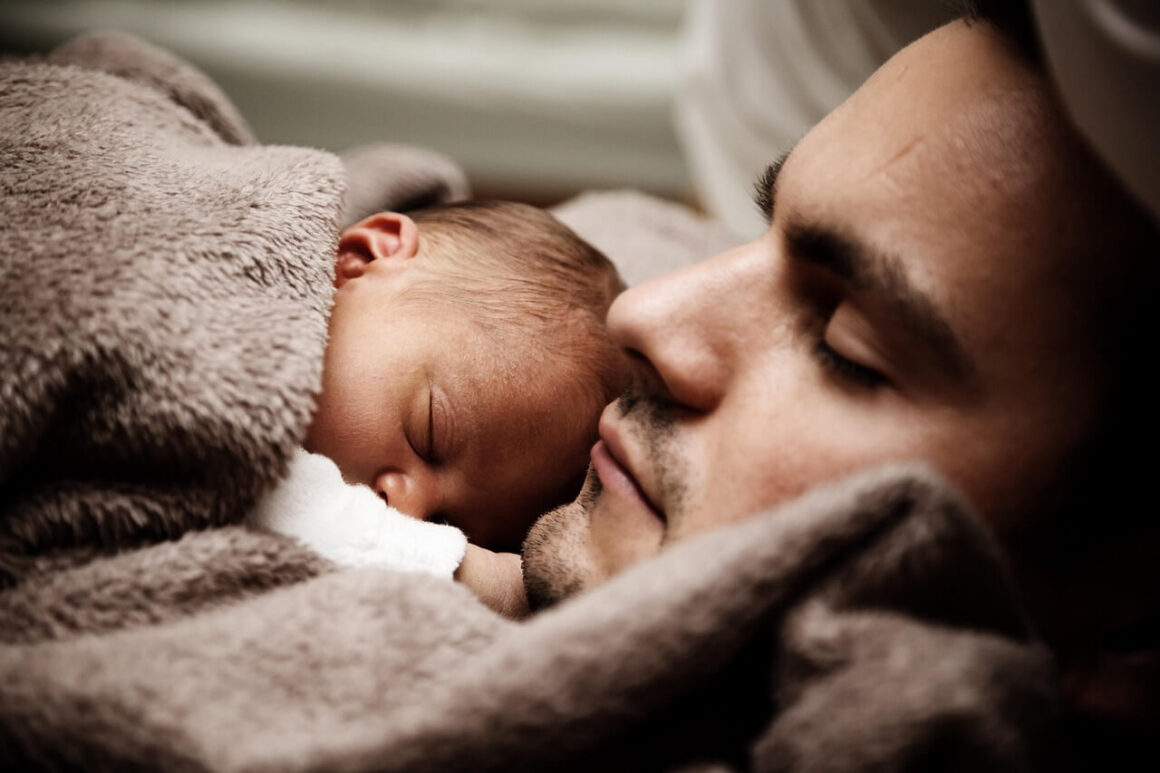
Sleep Training and Baby Sleep Cycles
Sleep training is a topic that often arises once babies are a few months old and begin developing more predictable baby sleep cycles. As babies mature, their sleep patterns become more structured, and they gradually become better able to move between different stages of sleep. Understanding baby sleep cycles can help parents recognize why their baby wakes during the night and how healthy sleep habits can support easier transitions between sleep stages.
There are different approaches to sleep training, ranging from gentle methods to more structured techniques. At its core, sleep training involves helping a baby learn to fall asleep and, over time, resettle after waking. Because baby sleep cycles are shorter than adult sleep cycles, babies may naturally wake or stir several times during the night. Some babies can settle themselves back to sleep, while others need reassurance or help from a caregiver.
Parents should choose a sleep approach that fits their parenting style, their baby’s temperament, and their family’s needs. There is no single method that works for every baby. Regardless of the approach, consistency, patience, and responsiveness are important when supporting healthy baby sleep cycles and developing positive sleep habits.
Understanding Baby Sleep Cycles and Night Wakings
Frequent nighttime waking does not always mean something is wrong. Babies naturally move between lighter and deeper stages of sleep as part of their baby sleep cycles. During these transitions, a baby may stir, make noises, move around, or briefly open their eyes before returning to sleep.
As babies grow, their baby sleep cycles gradually become more organized and begin to resemble the sleep patterns of older children. This development can take time, so parents should avoid comparing their baby’s sleep with that of other babies. Some babies begin sleeping for longer stretches earlier, while others continue waking frequently for feeding, comfort, or help settling back to sleep.
Baby Sleep Cues and Healthy Sleep Cycles
One of the most valuable things parents can do is learn to recognize their baby’s sleep cues. Common signs of sleep readiness include yawning, rubbing the eyes, fussiness, reduced activity, staring into space, or becoming less engaged with their surroundings. Responding to these signals early can help prevent overtiredness, which can make it harder for a baby to fall asleep and move smoothly through their baby sleep cycles.
A consistent pre-sleep routine can also support healthy baby sleep cycles. Simple activities such as a warm bath, gentle rocking, reading a short story, or singing a lullaby can create predictable cues that tell the baby it is time to sleep. Repeating the same routine each day can help babies associate these activities with bedtime and gradually establish more consistent sleep patterns.
Supporting Baby Sleep Cycles During Nighttime Wakings
Parental involvement during nighttime awakenings naturally changes as babies grow. Newborns often need more active support because they wake for feeding, diaper changes, and comfort. As babies become older and develop more mature baby sleep cycles, parents may gradually give them more opportunities to settle themselves when they wake between sleep stages.
However, encouraging self-soothing does not mean ignoring a baby’s needs. Responding to nighttime cries with empathy and reassurance is appropriate, particularly during the early months when babies rely heavily on caregivers for comfort and security. Understanding baby sleep cycles can help parents recognize that some nighttime movement and brief waking are normal parts of infant sleep rather than signs that a baby is not sleeping well.
The goal is not to make every baby sleep through the night immediately. Instead, parents can focus on supporting healthy baby sleep cycles, recognizing individual sleep needs, responding to sleep cues, and creating a predictable environment that helps babies gradually develop more mature sleep patterns.

The connection between sleep and development is profound. Adequate rest supports growth, cognitive function, emotional regulation, and immune health. Babies consolidate new skills during sleep, and disruptions in sleep can impact mood and behavior. Recognizing sleep as a developmental milestone, rather than just a behavioral issue, can help parents adopt a more compassionate and informed approach to nighttime parenting.
When sleep challenges persist, such as frequent night wakings, short naps, or difficulty falling asleep, it can be helpful to consult with a pediatrician or a certified sleep consultant.
Sleep difficulties can sometimes be linked to medical issues, such as reflux, allergies, or sleep apnea, which require professional evaluation and treatment. Addressing underlying causes can lead to significant improvements in sleep quality for both baby and parents.
The early years of parenting are marked by constant change and learning, and sleep is a dynamic and evolving part of that journey. By understanding the structure and function of baby sleep cycles, parents can shift from a place of frustration to one of empowerment.
Instead of seeing sleep as a battleground, it becomes a natural process to support and nurture. Setting realistic expectations, being patient with the process, and adapting strategies as the baby grows can lead to better sleep and stronger family bonds.

Final Thoughts on Baby Sleep Cycles
In the end, the sleepless nights and early morning cuddles are part of a fleeting season. As babies grow, their sleep becomes more predictable, and the challenges that once felt overwhelming begin to fade. What remains is the deep connection formed through nighttime feedings, soothing lullabies, and the comfort of knowing that you are there for your baby, every step of the way.
For informational purposes only, not a substitute for professional medical advice.