
From First Smile To First Steps: A Parent’s Guide To Pediatric Milestones
Introduction
Watching your baby grow is one of the most joyful parts of parenthood. From the first gummy smile to those wobbly first steps, every moment feels like a tiny miracle. Each stage of development brings new abilities, expressions, and ways of connecting with the world. As a parent, you marvel at how quickly your child changes—from quiet snuggles to energetic bursts of exploration as they begin to crawl, babble, and play. But amid the excitement, it’s completely natural to have questions and concerns. Is my baby developing at the right pace? Should they be sitting up by now? When will they start talking or walking? These thoughts are common, and they highlight an important part of early parenting—understanding pediatric milestones. These milestones act as helpful guideposts, offering insight into your child’s physical, cognitive, emotional, and social development. While every child grows at their own unique pace, being aware of typical developmental stages can help you feel more confident, catch potential concerns early, and better support your little one’s growth. With the right information and a bit of patience, you can navigate your child’s journey with greater peace of mind and celebrate each new achievement with joy and assurance.

What Are Pediatric Milestones?
Pediatric milestones are key physical, cognitive, social, and emotional skills that most children typically achieve by certain ages. These benchmarks serve as important tools for both parents and pediatricians, offering a framework to observe and track a child’s development over time. From smiling for the first time to saying their first words or taking their first steps, these milestones help highlight how children are learning to interact with their environment, understand the world, and build relationships. They also provide early indicators of a child’s growth across multiple domains, such as motor skills, language abilities, problem-solving, and emotional regulation.

Pediatricians use these milestones during routine checkups to monitor a child’s progress and to identify any signs that may suggest a developmental delay or concern. Early detection is crucial, as it allows for timely interventions and support, which can make a significant difference in a child’s long-term development. For parents, being familiar with these developmental markers offers more than just a guideline—it provides reassurance, empowers informed parenting, and fosters a deeper understanding of what to expect as your child grows. While it’s important to remember that every child is unique and may reach milestones at their own pace, having a general timeline as a reference point can help you celebrate progress, recognize achievements, and seek guidance when needed.
Major Milestones By Age
0–3 Months: New Beginnings
- Physical: Lifts head briefly during tummy time, moves arms and legs actively
- Social: Begins to smile socially (around 6–8 weeks)
- Communication: Makes cooing sounds, recognizes familiar voices
This is a time of rapid sensory growth, when your baby is beginning to take in the world in new and exciting ways. Their senses—sight, sound, touch, taste, and smell—are developing quickly, helping them understand and respond to their environment. Your baby is learning to recognize your face, voice, and even your scent, which provides comfort and security. Their eyes begin to track movement, and they start turning toward familiar sounds, especially the soothing tone of your voice. One of the most heartwarming milestones during this stage is their first real smile—not just a reflex, but a genuine response to seeing your face or hearing your voice. This smile marks a beautiful emotional connection and is one of the first signs of your baby engaging socially, showing their emerging personality and forming the foundations of bonding and communication.
4–6 Months: Strength And Social Smiles
- Physical: Rolls from tummy to back, holds head steady, starts sitting with support
- Social: Laughs aloud, enjoys playing with others.
- Communication: Babbles with expressions, responds to own name
You’ll notice your baby becoming more interactive and socially engaged as they continue to grow and explore the world around them. They begin to respond more intentionally to your voice, facial expressions, and gestures, showing signs of recognition, curiosity, and delight. Simple games like peekaboo might become a favorite, as your baby starts to grasp the concept of object permanence—the idea that things still exist even when they can’t be seen. You may see their eyes light up with anticipation or hear them giggle when you pop back into view, which not only strengthens your bond but also supports cognitive development. During this stage, your baby may also start to mimic sounds, coo in response to your speech, and show excitement when familiar people enter the room. These early interactions lay the foundation for communication, emotional attachment, and social learning, making this a wonderfully rewarding time for both you and your baby.
6–9 Months: Mobility In Motion
- Physical: Rolls in both directions, sits independently, begins crawling or scooting
- Social: Shows preference for caregivers, may show fear of strangers
- Communication: Understands “no,” uses gestures like waving
Your baby is exploring the world more independently—watch out, they’re on the move! This stage marks an exciting leap in physical and cognitive development as your little one becomes increasingly mobile. Whether they’re rolling, scooting, crawling, or even beginning to pull themselves up to stand, your baby is eager to explore their surroundings and interact with new objects. This growing independence is a sign of their strengthening muscles, coordination, and curiosity. They’re not just moving for the sake of it—they’re learning how the world works through hands-on discovery.
You’ll notice your baby reaching for toys, opening drawers, and investigating every corner they can access. With this newfound mobility comes the need for greater supervision and baby-proofing, as they can quickly get into things that might not be safe. It’s also a time when they begin to show preferences, solve simple problems—like how to get to a toy—and express frustration when things don’t go their way. This period of increased movement and exploration fosters confidence and lays the foundation for important milestones like standing and walking. Encouraging safe exploration and offering lots of praise will help your baby build both physical skills and self-assurance as they navigate their ever-expanding world.
9–12 Months: First Words And First Steps
- Physical: Pulls to stand, cruises along furniture, may take first steps
- Social: Imitates gestures, enjoys interactive games
- Communication: Says “mama” or “dada” with meaning, uses simple gestures
This is a major milestone phase in your baby’s development—an exciting time filled with big leaps and memorable “firsts.” Around this stage, you may witness two of the most anticipated milestones: those unforgettable first steps and those precious first words. Many babies begin attempting to stand on their own, cruise along furniture, or take a few wobbly steps independently. These early attempts at walking reflect growing muscle strength, balance, and coordination, and they mark the beginning of true mobility. Each step—no matter how unsteady—is a symbol of your child’s increasing independence and confidence.
At the same time, language development is blossoming. Your baby might start saying simple words like “mama,” “dada,” or “bye-bye,” and may even try to mimic the sounds and words they hear frequently. They begin to understand more than they can express, responding to their name, following simple directions, and recognizing familiar objects and people. Their ability to communicate is expanding rapidly, not just through speech, but also through gestures, facial expressions, and tone.
This phase is often filled with excitement and pride for parents, as it represents a transition from babyhood to toddlerhood. It’s a time to celebrate progress, encourage curiosity, and support your child’s efforts with plenty of praise, patience, and opportunities to explore and engage. Every new word spoken and every little step taken is a huge achievement in your child’s developmental journey.
12–18 Months: Early Toddler Triumphs
- Physical: Walks independently, begins to climb
- Social: Shows more independence, has temper tantrums
- Communication: Says several single words, follows simple instructions
The toddler stage is full of energy, curiosity, and rapid learning—a time when your little one seems to be in constant motion, eager to touch, climb, open, and investigate everything in sight. This period is often described as a whirlwind of discovery, as toddlers work hard to make sense of the world around them. Their growing independence is evident in the way they try to do things on their own, assert their preferences, and test limits. You’ll notice a strong desire to explore, whether it’s through stacking blocks, scribbling with crayons, or asking endless questions (even if they’re just beginning to speak clearly).
This is also when toddlers begin to develop a stronger sense of self, often leading to expressions of frustration when things don’t go their way—cue the occasional tantrum. It’s important during this stage to encourage exploration while setting gentle, consistent boundaries that help your child feel safe and supported. Simple routines, clear rules, and positive reinforcement go a long way in helping them understand expectations while still giving them the freedom to learn and grow.
By creating a safe and stimulating environment, you empower your toddler to build confidence, develop problem-solving skills, and strengthen their emotional resilience. Patience, guidance, and lots of encouragement are key as they navigate this exciting and sometimes challenging stage of development.
Supporting Your Child’s Development

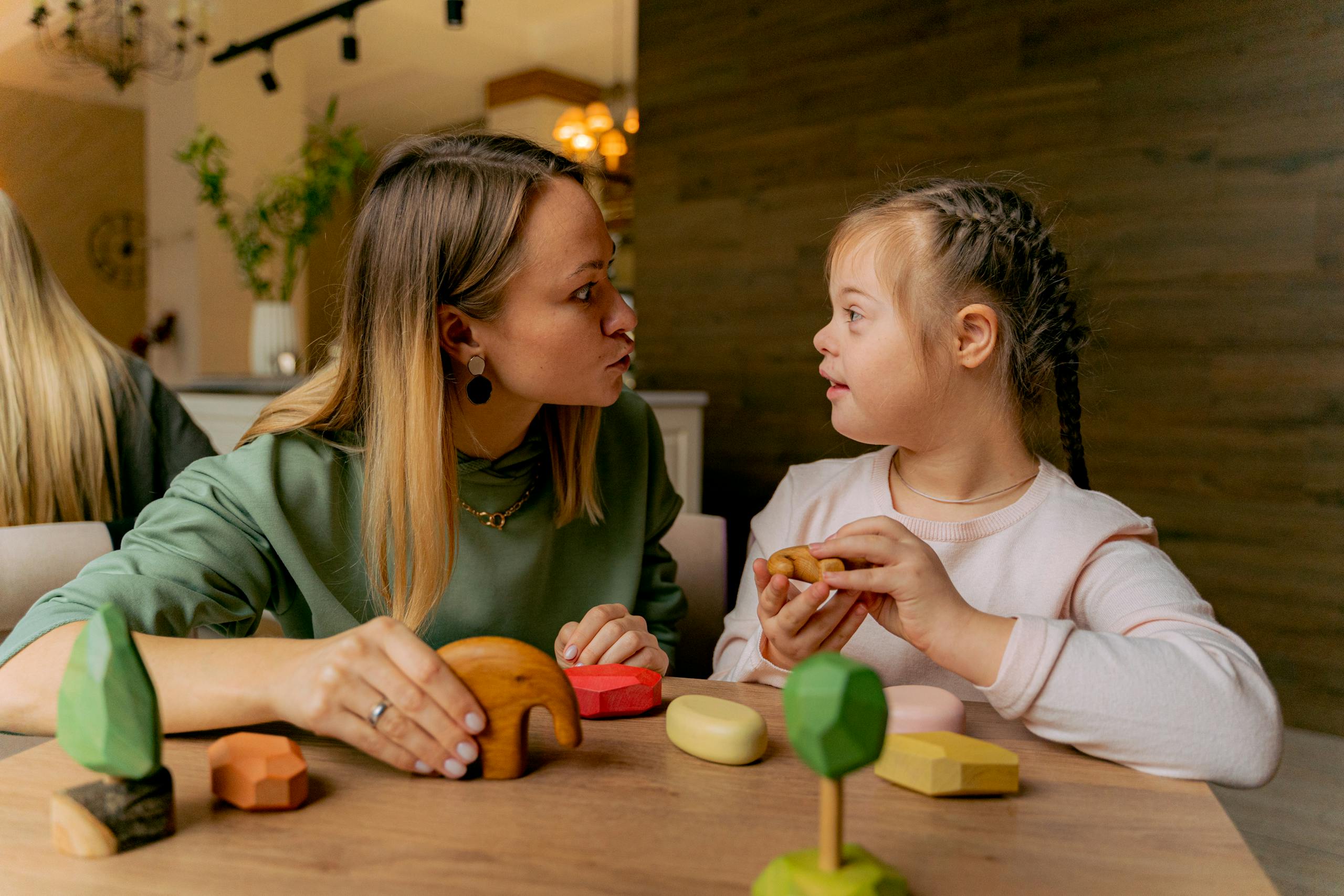
Engaging with your baby through everyday activities is one of the most powerful ways to support their development. Talking and singing to your baby, even from birth, plays a crucial role in building their language and social skills. The sound of your voice helps them learn the rhythm and melody of speech, while also fostering a sense of connection and emotional security. Interactive play is equally important—spending time playing with age-appropriate toys not only entertains your baby but also boosts their motor skills, hand-eye coordination, and cognitive development as they learn about cause and effect, shapes, and textures.
Tummy time is another essential activity, especially in the first few months. By placing your baby on their stomach while they’re awake and supervised, you help them build the neck, shoulder, and core strength necessary for milestones like rolling, crawling, and sitting up. It also gives them a different perspective on the world, encouraging visual exploration. Reading to your baby daily is a wonderful way to nurture early literacy skills, even if they don’t yet understand the words. The soothing cadence of your voice, the colorful illustrations, and the shared closeness all contribute to bonding and brain development. These simple, loving interactions create a strong foundation for learning and growth that lasts a lifetime.
When To Talk To Your Pediatrician
It’s important to remember that every child develops at their own unique pace, and a wide range of progress can still be completely normal. However, there are certain signs that may indicate a need for further evaluation. Trusting your instincts as a parent is key—if something doesn’t feel right, it’s always worth bringing up with your pediatrician. For example, if your baby isn’t smiling by around 3 months, not babbling or using gestures like pointing or waving by 12 months, or hasn’t started walking by 18 months, these may be early indicators of a developmental delay. Additionally, any sudden loss of previously acquired skills or a lack of interest in social interaction should be discussed with a healthcare professional.
Your pediatrician can offer guidance, conduct developmental screenings, and, if necessary, connect you with early intervention services. These services are most effective when started early, often helping children catch up to their peers or providing support tailored to their specific needs. Asking questions and advocating for your child’s development is a vital part of parenting. Never hesitate to seek reassurance or request a closer look—early support can make a meaningful and lasting difference in your child’s growth and well-being.
Conclusion
Watching your child grow from a tiny newborn into a curious, capable toddler is one of the most profound and joyful journeys of parenthood. Each new milestone—whether it’s your baby’s first smile, first word, or those unsteady but determined first steps—marks a meaningful step in their development. These small but powerful moments are not just signs of physical growth; they also reflect your child’s evolving ability to think, communicate, feel, and connect with the world around them.
Understanding pediatric milestones helps you make sense of this journey. It empowers you to celebrate your child’s progress, recognize when they may need a little extra support, and appreciate the unique pace at which they grow. While it’s important to remember that no two children are exactly alike—some may speak early, others may walk later—having a general sense of what to expect allows you to feel more confident and proactive as a parent.
Equally important is the knowledge that you’re not alone. Pediatricians, early childhood professionals, and community resources are there to help guide you. If you ever have concerns or feel uncertain about your child’s development, don’t hesitate to ask questions or seek developmental screenings. Early intervention, when needed, can make a significant difference and set the stage for a lifetime of learning and success.
Ultimately, the journey of parenting is about nurturing your child with love, patience, and presence. By staying engaged—through play, conversation, routines, and affection—you create a strong foundation that supports not just milestones, but lifelong emotional and cognitive well-being. Cherish each stage, trust your instincts, and know that every step forward—no matter how big or small—is a part of your child’s beautiful, one-of-a-kind story.
For informational purposes only, not a substitute for professional medical advice.